Power Tool Accessories
- Tool Battery Chargers
- Cordless Tool Battery Packs
- Drill Bits
- Screwdriver Bits
- Nut Setters
- Backing Pads
- Abrasive Mounted Points
- Auger Bits
- Carbide Burrs
- Cut-Off Wheels
- Cup Brushes
- Bit Extensions
- Grinding Wheels and Compounds
- Flap Wheels and Discs
- Countersink Bits
- Chuck Keys
- Drill Chucks
- Drill Accessories
- Sanding Discs
- Specialty Power Tool Accessories
- Sanding Drums
- Sanding Belts
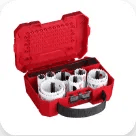
- Hole Saws
- Wire Wheel Brushes
- Lock Nuts
- Multitool Accessories
- Router Accessories
- Mandrels
- Router Bit Sets
- Router Bits
- Screw Extractors
Batteries and Chargers
Drilling and Driving
Sanding and Grinding

Router Accessories













Tackle every project big or small with the right power tool accessories from Ace Hardware. Our selection of accessories for power tools can help you do more with the tools you use most, from brands like Milwaukee, Craftsman, DeWalt and many others.
Power Tool Drill Bit Sets and Extensions
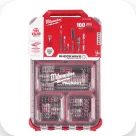
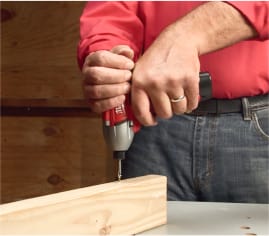
Your drill likely came with a basic set of drill bits, but to help you build out your tool arsenal we carry a wide variety of drill accessories to get the job done more efficiently. Get the most out of your drill with power tool parts that improve performance and productivity, such as:
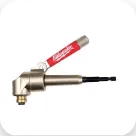
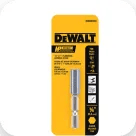
- Drill bit extensions: Bit extensions are convenient power tool accessories that can come in handy whenever you're working on a project that requires a longer drill bit reach.
- Auger bits: Resembling corkscrews, auger bits have spiral drill heads that effortlessly bore holes into bulkheads, timber or other wood.
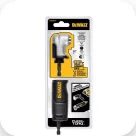
- Screwdriver bits: Upgrade your driving experience with a heavy-duty screwdriver bit set that delivers exceptional performance in extreme torque applications.
- Nut setters: Explore industrial-strength nut setters featuring innovative recessed corners that easily drive flats while minimizing shavings.
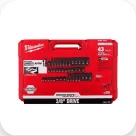
- Impact driver bit sets: Get extreme durability for the most demanding applications with an impact driver bit set that includes everything you need for any task, such as bit holders, magnetic nut drivers and socket adapters.
- Drill chucks: When your drill chuck wears out, replacing it is simple. Find keyless and keyed drill chucks at Ace.
- Chuck keys: Necessary for keyed drill chucks, chuck keys loosen and tighten a drill chuck to let you remove and replace a drill bit.
Looking for an upgrade? Ace offers a wide selection of cordless drills to help improve the tools you’re working with.
Cordless Tool Batteries and Chargers
Always have enough power to finish the project with an extra cordless battery pack to fit your most used power tools. We have the most common types of power tool batteries in stock for your tools, including:
- Nickel-Cadmium (NiCad) batteries
- Lithium-ion (Li-ion) batteries
- Nickel Metal Hydride (NiMH) batteries
Once you’ve found your spare battery pack, look for accompanying power tool chargers to keep your battery packs ready for action. When you switch out your spare battery pack, put the recently used one to charge for seamless transitions throughout the working day.
Router Bits, Tables and Accessories
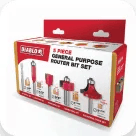
When you're ready to make the cuts for your project, having the right accessories can make all the difference. Make precisely cut rounded edges, V-shaped grooves and more with our collection of router power tool parts.
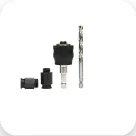
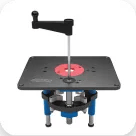
Get unmatched versatility and amazing adjustability with a router table system that will take your woodworking projects to the next level. When dovetailing, sign-making or inlay routing, a router bushing set featuring multiple diameter options can support a wide array of routing applications. Working on a project that requires extra base support? Look for a universal mounting slot adapter that fits any compact or trim router.
Sanding Power Tool Attachments
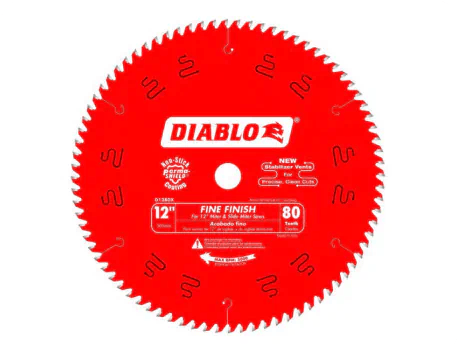
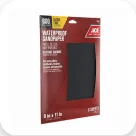
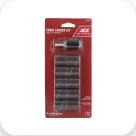
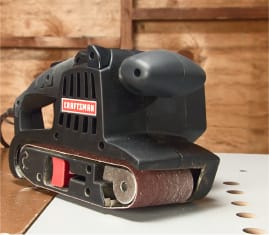
Get the results you're looking for with our sander power tool attachments. Find sanding discs, belts, and drums in a variety of grits suitable for tasks ranging from removing wallpaper adhesive and prepping walls before painting, to finishing holes and edging.
Shop Power Tool Accessories Near You at Ace Hardware
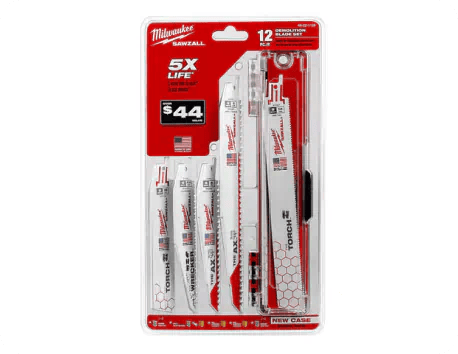
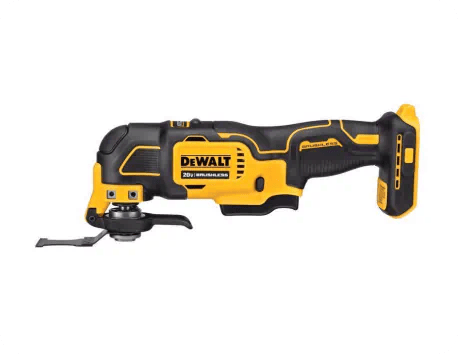
No matter which tools you rely on the most, find the best power tool parts to tackle the job with less hassle at Ace Hardware. Shop our collection of multi-tool accessories, battery packs, and power tool battery chargers online from many popular brands. If you're unsure about which power tool accessories you might need, stop by your local neighborhood Ace store for helpful advice from our team members.
Looking for practical gift ideas for DIYers and home improvement enthusiasts this holiday season? Power tool accessories like drill bit sets, battery packs and sanding kits make great stocking stuffers or additions to larger tool gifts. And when you’re unsure just what they want, gift cards are a thoughtful way to show you care.